Blog
Whale Actually…… Shining the Light on Whale Oil
Tickets
Paid Purchase tickets
Age Range
All Ages
Location
Main Building, Floor 1
Subjects
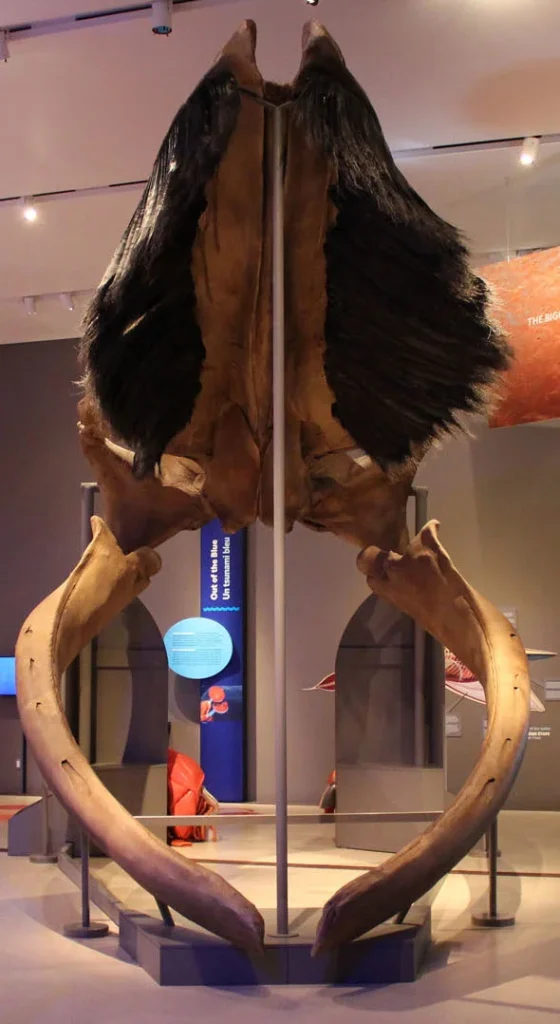

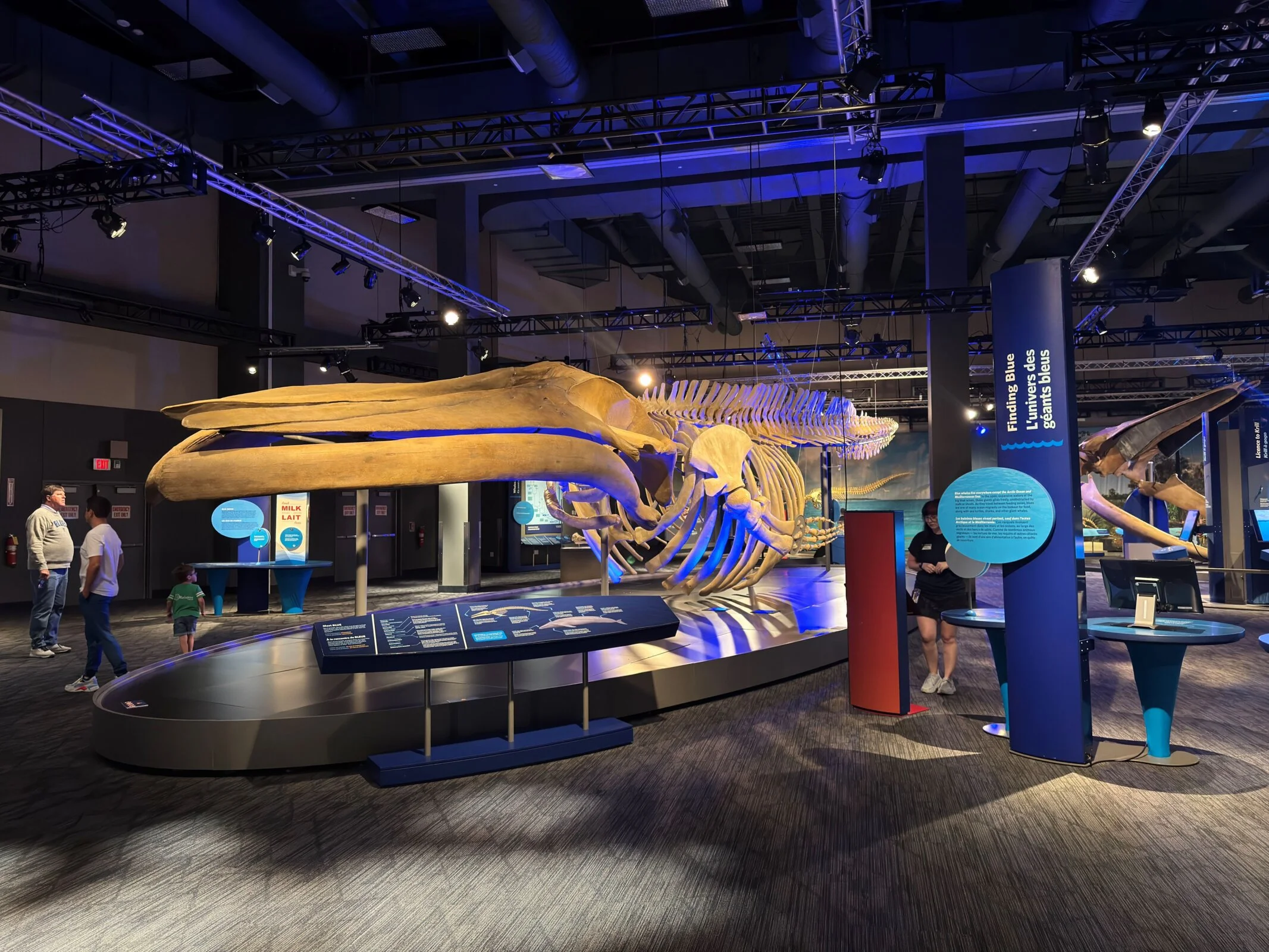
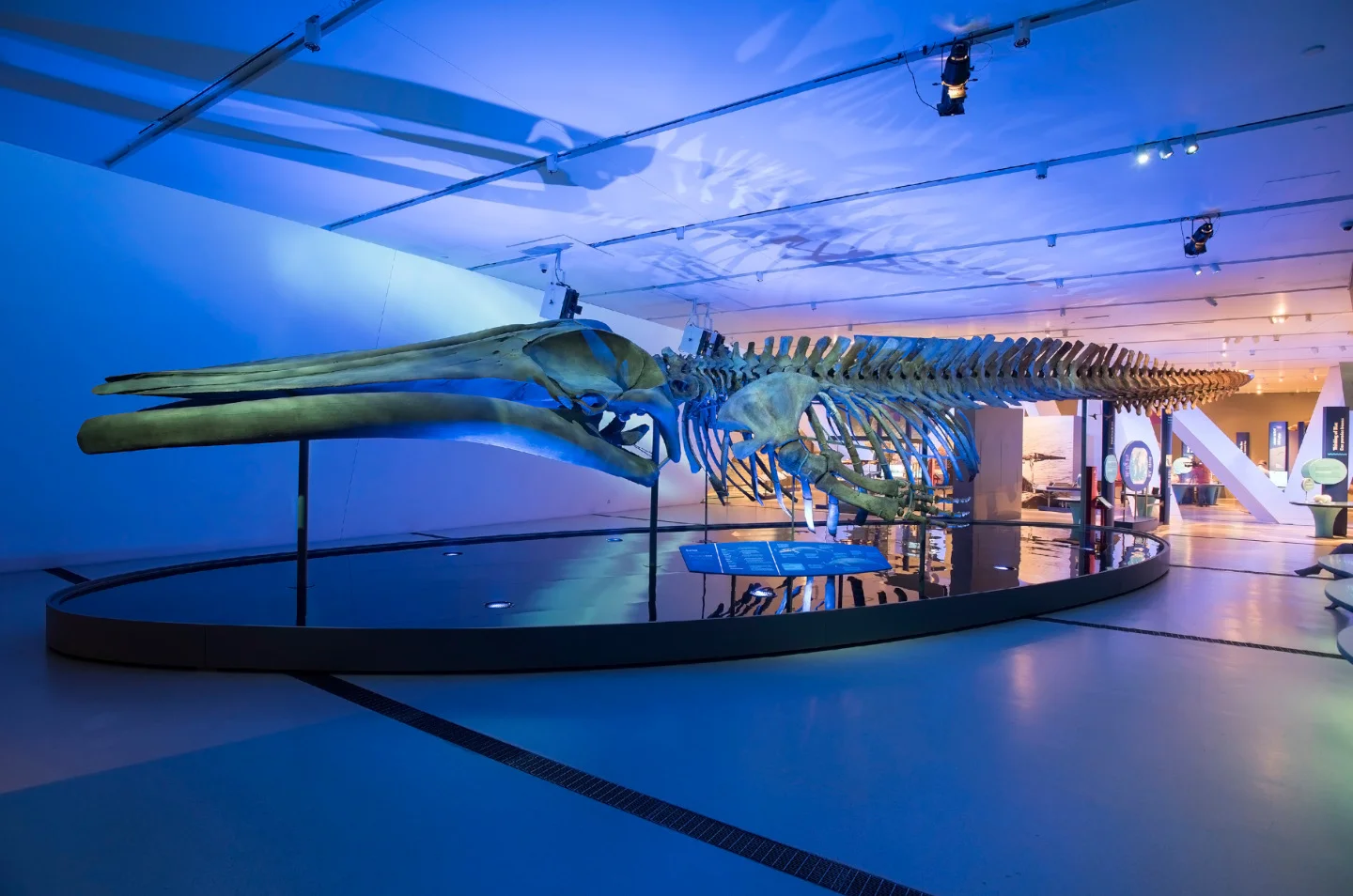
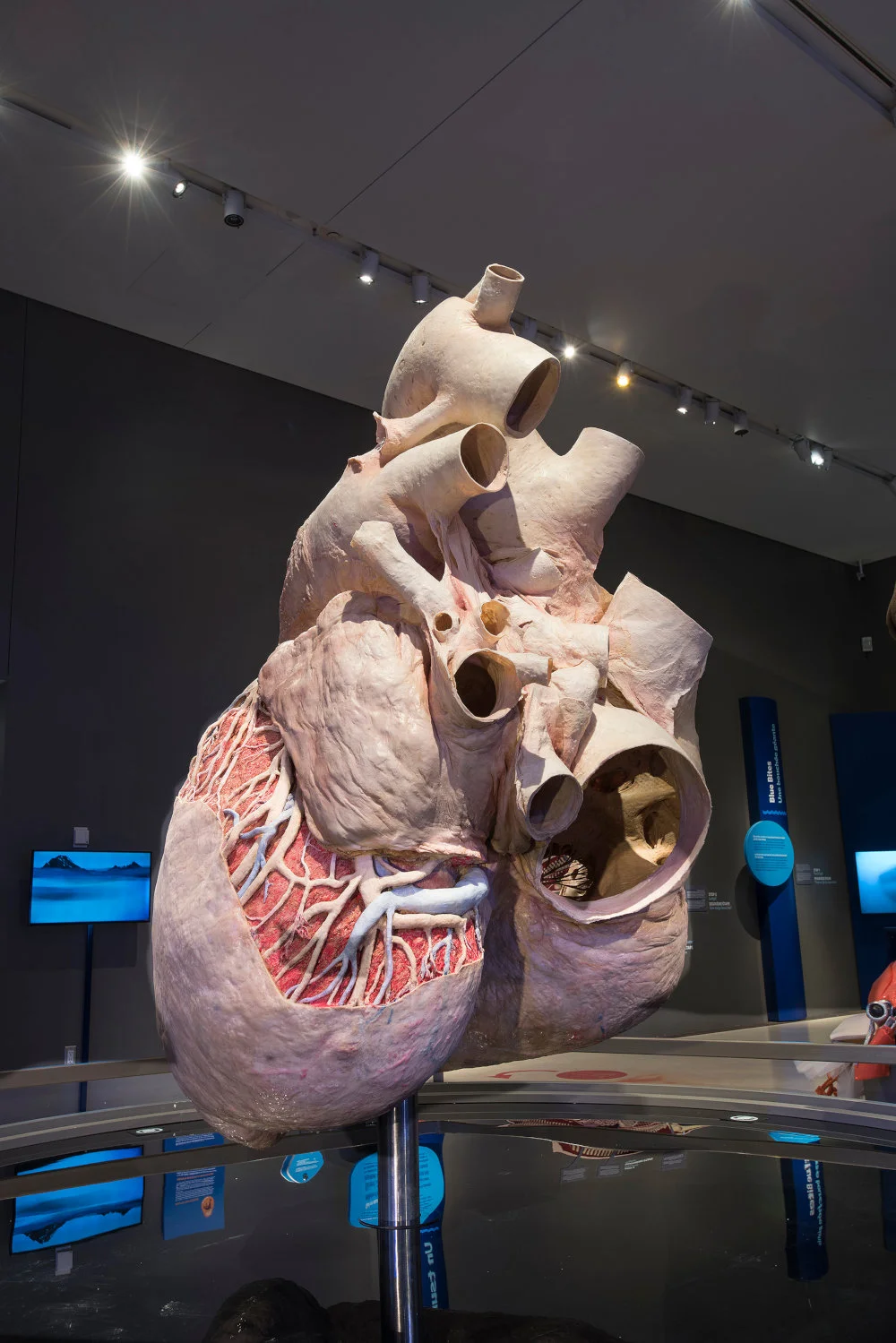
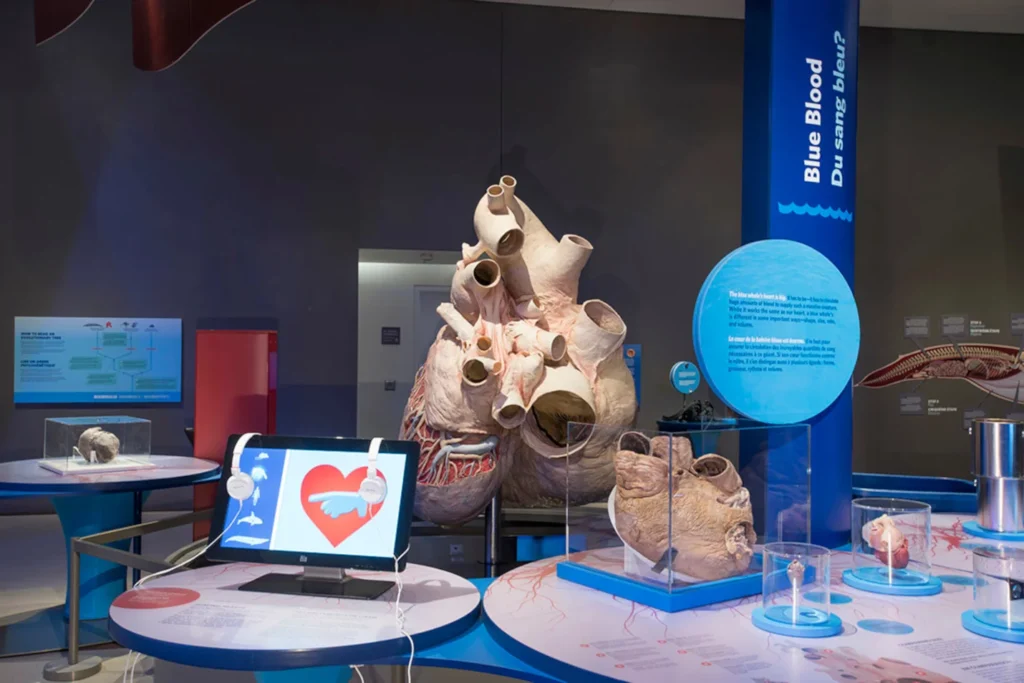
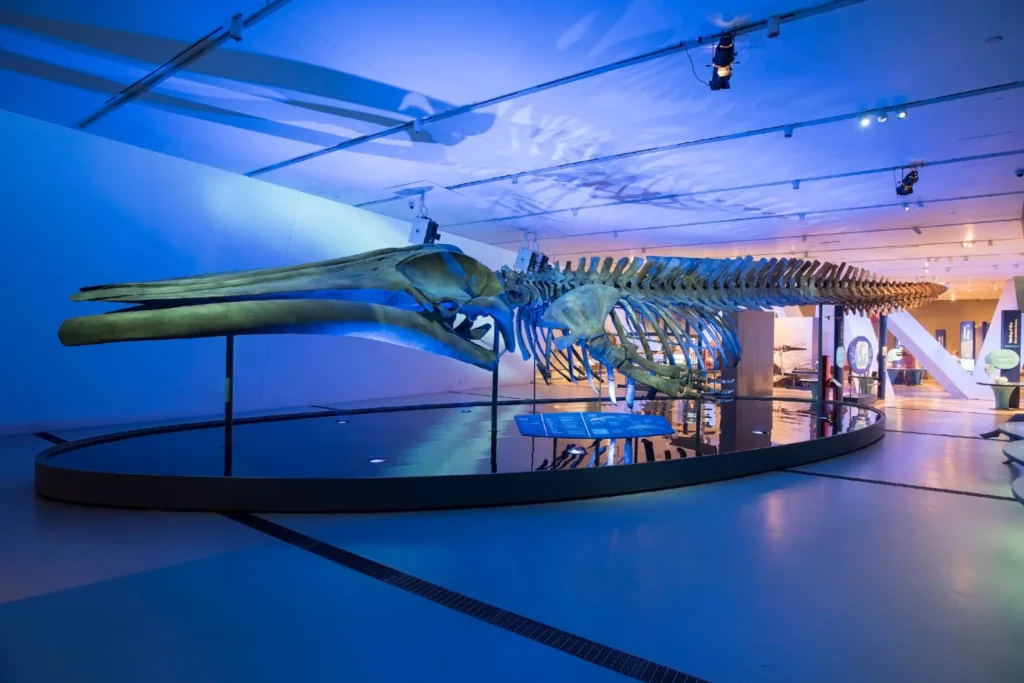
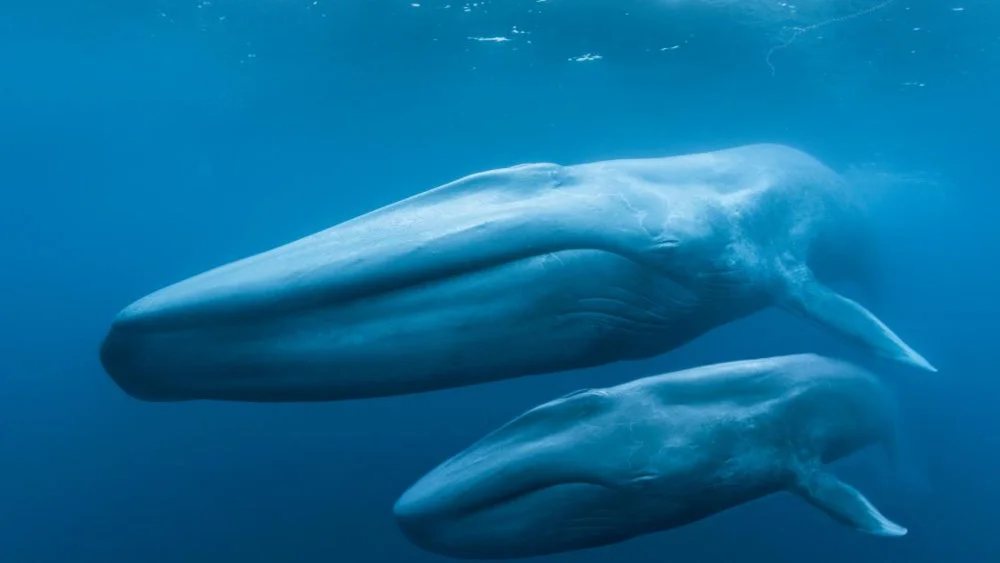
Blue Whale: The Exhibition is more than just a special exhibition, it’s rooted in real science and the tragic loss of nine endangered North Atlantic blue whales that became trapped in sea ice off the coast of Newfoundland, Canada, in 2014.
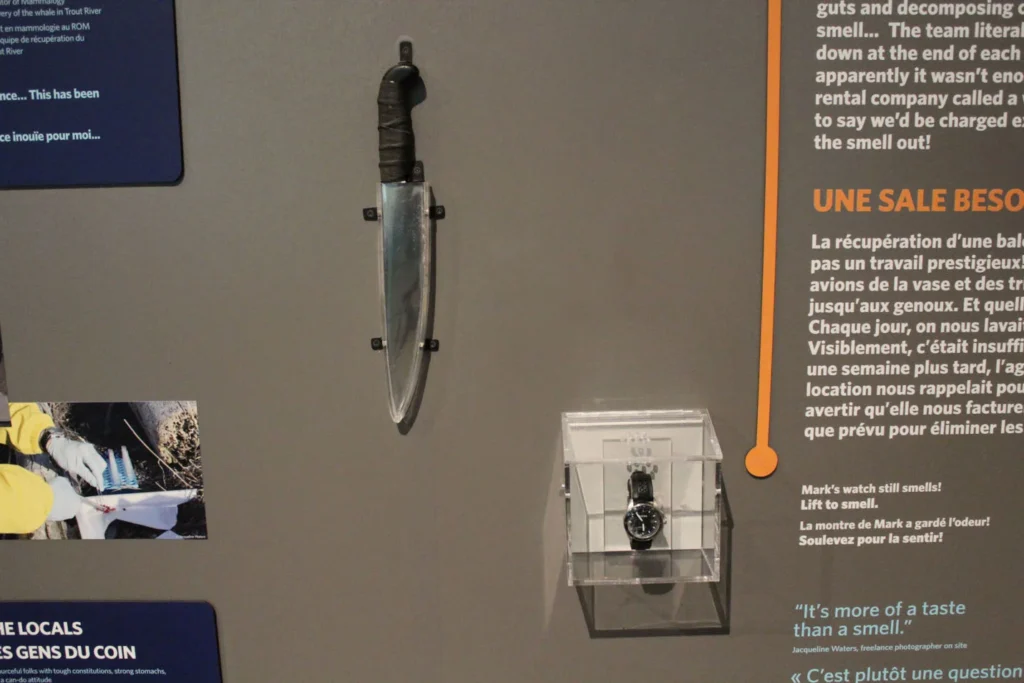
Although their passing represented a significant loss for an already vulnerable population, two of these whales were recovered and studied — giving scientists from the Royal Ontario Museum (ROM) the rare opportunity to examine the blue whale like never before.
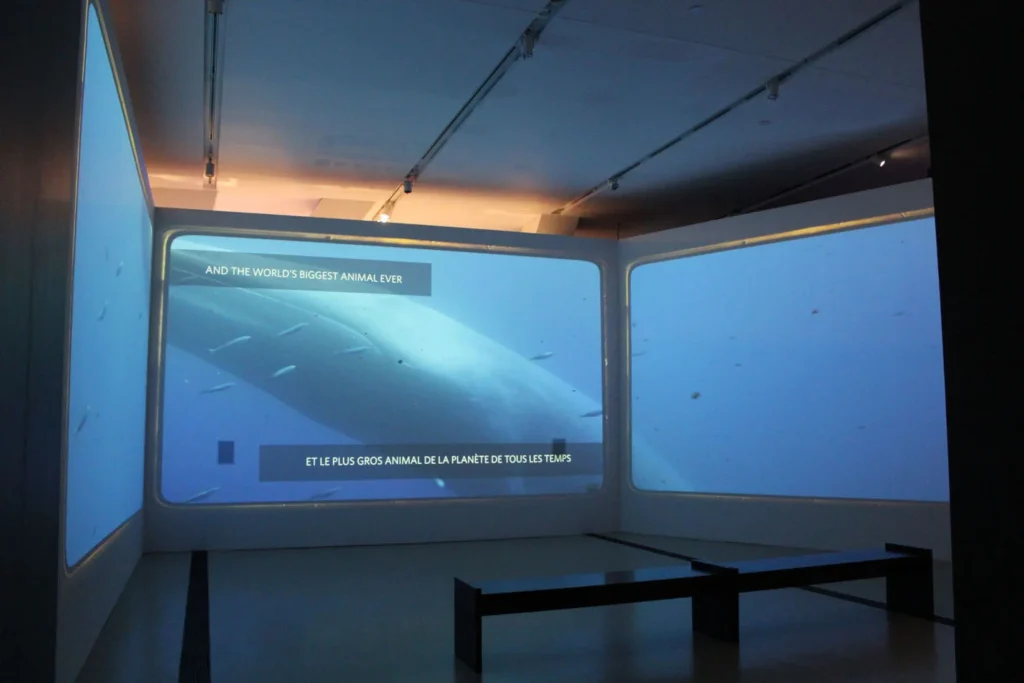
The exhibition invites families to discover the wonder of the blue whale while highlighting why protecting these gentle giants is essential to keeping our oceans healthy for future generations.

Blue Whale: The Exhibition is produced and circulated by ROM (The Royal Ontario Museum), Toronto, Canada.
This is a paid experience. Entry every 15 minutes.
| Ages | Pricing | |
|---|---|---|
| Members | $8.00 | |
| Adults (ages 13-59) | $16.00 | |
| Seniors (ages 60+) | $14.00 | |
| Children (ages 5-12) | $12.00 | |
| Children 4 and under | FREE* | |
Children Under 4 enter free, a ticket is still required and available at the Box Office.
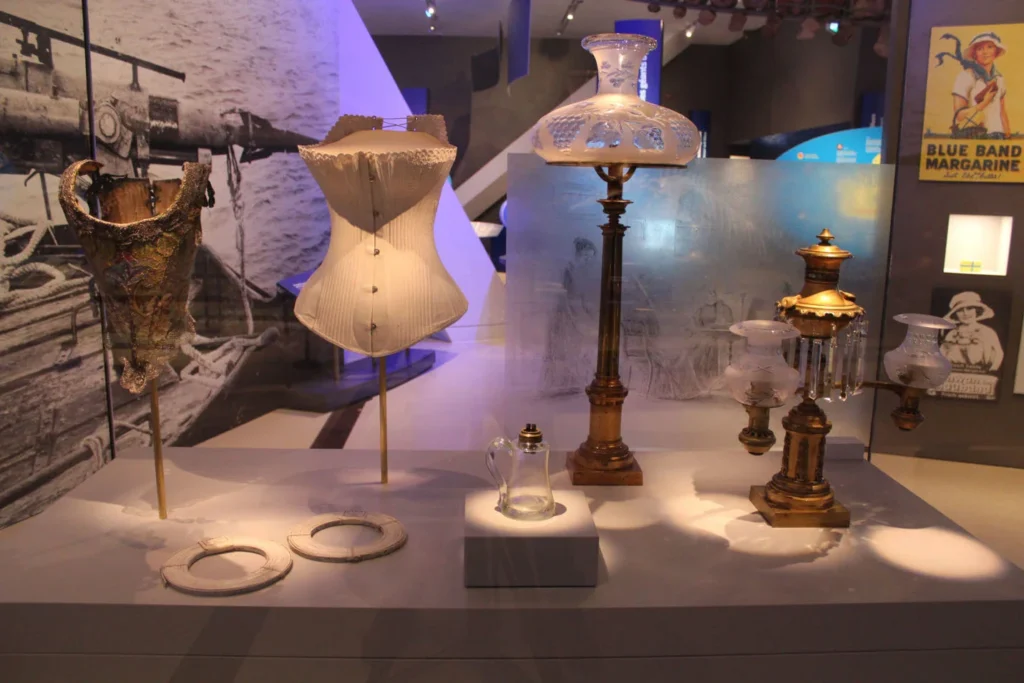
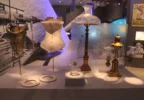
Whale oil was invaluable for oil lamps and candles before electricity was invented, and it served as a high-quality lubricant for machines during the Industrial Revolution. To obtain this oil, whales have been hunted for thousands of years by various cultures. As the demand increased, whaling developed into a very profitable business — with slower moving right whales, bowheads as the first targets and the enormous bulk of blue whales becoming an enticing pursuit as whaling technology improved. Sperm whales were also desired for their abundant blubber and the prized spermaceti found in their heads.
Tickets are available!
You can get tickets on slsc.org, by calling 314.289.4424 or by visiting one of our box offices.
Tickets will be sold for a specific date and time. Keep in mind that time slots can sell out, so we encourage you to purchase tickets in advance.
All pertinent information is found on our Group Visits page.
No. To protect the exhibition, artifacts and ensure high quality experiences for our guests, food and beverages are not allowed in Blue Whale: The Exhibition. All food and beverages must be sealed and put away.
The exhibition is generally the least busy on weekday afternoons. If you’re interested in seeing this exhibition with fewer guests in the galleries, we recommend visiting then.
No, there is not an audio tour available for Blue Whale: The Exhibition.
Guests typically spend between 45 minutes to an hour in Blue Whale: The Exhibition. Many guests plan for more time to experience the rest of the Science Center.
You may visit as long as you like or until the exhibition closes. Please note that Blue Whale: The Exhibition is a time-entry exhibition, and the last guests will be admitted to the exhibition one hour prior to closing time. Please plan your visit accordingly. No re-entry will be permitted.
Yes. Photography and filming for personal use, including all pictures taken with cell phones, are allowed in Blue Whale: The Exhibition. If you are a professional photographer or member of the media who would like to photograph the exhibition, please contact marketing@slsc.org.
Please no flash photography to protect the items on display with the exhibition.
We recommend that all guests arrive at the venue at least 10 minutes prior to the time stated on their ticket. Due to the high volume of visitors to the exhibition, immediate access to the galleries is not guaranteed and guests should expect to queue briefly before entering the exhibition.
Wheelchairs, walkers, and scooters are all permitted.
Service animals are permitted, but please be advised that the volume and visuals may be uncomfortable for animals.
We cannot guarantee accommodations for those with sensory needs. We recommend visiting on our slower days, usually Monday, Wednesday or Thursday.
Groups of 10 or more can receive special discounts to Blue Whale: The Exhibition with advance reservations. Call 314.286.4680 to speak to our Group Sales Manager.
EXCLUSIVE BENEFITS FOR GROUPS 10 OR MORE
Save on your Blue Whale: The Exhibition tickets with a Saint Louis Science Center membership.

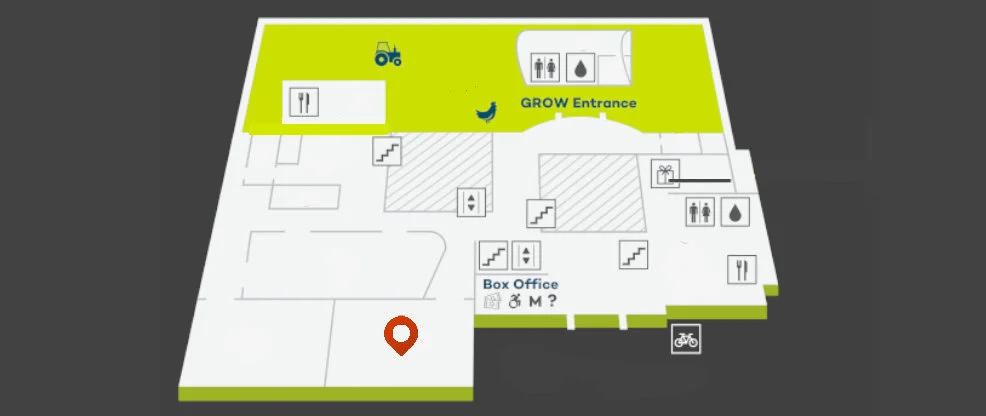
Blue Whale: The Exhibition is located on the 1st floor of the main 5050 Oakland Building. Access is available through the main entrance, turn left at the overlook, and just before GameXP across from the Life Science Lab.
One adult chaperone is required for every 10 children.
No food or beverages are allowed in the exhibition.
No pencils, pens, markers or any other kind of writing implements are allowed.
Flash photography is not allowed. You may take photos without flash.
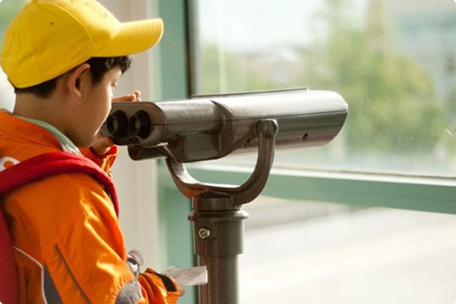
The exhibition is accessible to visitors with disabilities, as well as visitors with strollers, scooters, and walkers. Elevators and ramps serve all public areas.

This special exhibition is provided by the Royal Ontario Museum (ROM).
Opened in 1914, ROM is Canada’s largest museum of natural history and world cultures and has more than six million objects in its collection and galleries – showcasing art, world cultures and natural history. The ROM is the largest field research institution in Canada and a world leader in research areas from biodiversity, paleontology and earth sciences to archaeology, ethnology and visual culture — originating new information toward a global understanding of historical and modern change in culture and environment.

OMNIMAX® Films
The Blue Angels
Special Exhibition
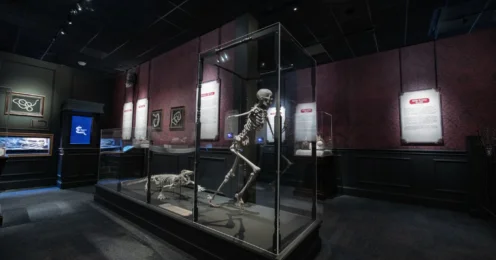
Death by Natural Causes Exhibition

OMNIMAX® Films
T.REX

OMNIMAX® Films
Lost Wolves Of Yellowstone
OMNIMAX® Films
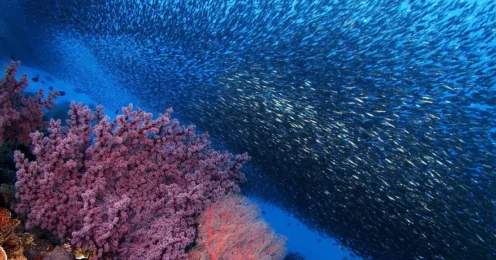
Secrets of the Sea

Community Event
Community Events

Program
Summer STEM Explorers

5050 Oakland Avenue
St. Louis, MO 63110
314.289.4400
Get Directions
Clayton Ave. at Faulkner Dr.
in Forest Park
Get Directions